Introduction: Understanding GST for Startups
Starting a business involves many legal and financial responsibilities, and Goods and Services Tax (GST) is one of the most important among them. GST is an indirect tax system introduced in India to simplify taxation by replacing multiple state and central taxes with a single unified tax structure. For startups, understanding GST is crucial to ensure legal compliance, smooth operations, and proper financial planning. This beginner’s guide explains everything startups need to know about GST in a simple and practical manner.
What is GST and Why It Matters for Startups
GST is a destination-based tax applied on the supply of goods and services across India. It ensures uniform taxation and removes the cascading effect of multiple taxes. For startups, GST helps create transparency in transactions, simplifies tax calculations, and allows businesses to claim input tax credit. Proper GST compliance builds trust with customers, investors, and authorities while helping startups avoid penalties and legal complications.
Who Should Register for GST
GST registration is mandatory for startups if their annual turnover exceeds the prescribed limit or if they engage in inter-state sales, online selling, exports, or operate through e-commerce platforms. Even if turnover is below the threshold, voluntary GST registration can be beneficial for startups to enhance credibility, claim tax credits, and expand business operations. Registering under GST ensures smooth transactions and legal recognition in the marketplace.
GST Registration Process for Startups
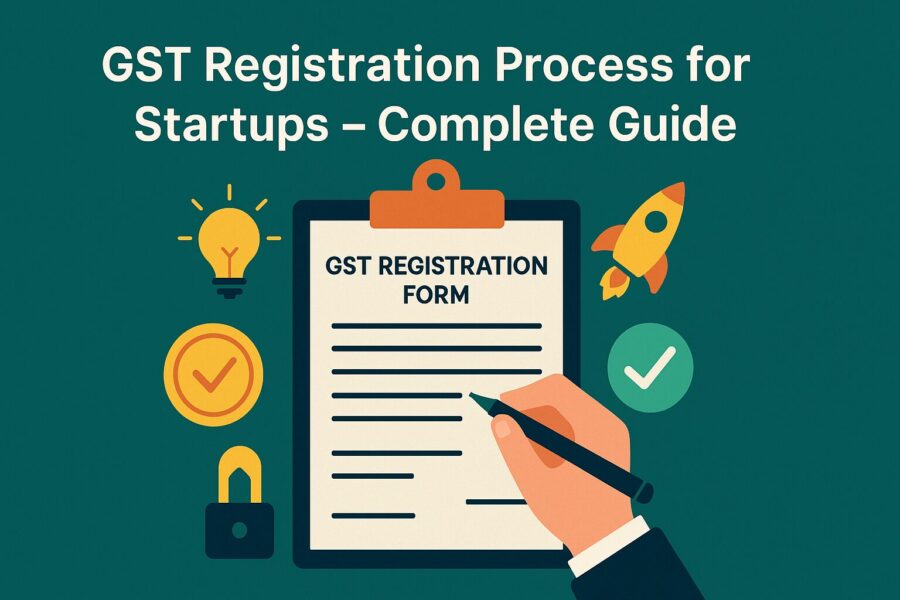
The GST registration process is fully online and designed to be simple and quick. Startups need to provide basic business details, identity proof, address proof, bank account information, and business registration documents. Once the application is submitted and verified, a GST Identification Number (GSTIN) is issued. This number becomes the official identity of the business under GST and is required for invoicing, filing returns, and claiming tax benefits.
Understanding GST Returns and Compliance
Filing GST returns is a regular compliance requirement for startups. Businesses must submit periodic returns showing details of sales, purchases, tax collected, and tax paid. Timely return filing ensures proper tax credit flow and avoids late fees and penalties. Regular compliance also improves financial discipline and helps startups maintain accurate business records, which are essential for audits, funding, and growth planning.
Input Tax Credit: A Major Benefit for Startups
One of the biggest advantages of GST is the input tax credit system. Startups can claim credit for the GST paid on purchases and expenses and adjust it against the tax collected on sales. This reduces the overall tax burden and improves cash flow. Efficient management of input tax credit helps startups minimize operational costs and maintain competitive pricing in the market.
Common GST Mistakes Startups Should Avoid
Many startups make mistakes such as delayed registration, incorrect invoice formats, missing return deadlines, or mismatched tax credits. These errors can result in penalties, interest charges, and compliance issues. Understanding GST rules clearly and maintaining proper records helps startups avoid these problems and ensures smooth business operations without unnecessary legal trouble.
Benefits of GST for Startup Growth
GST enables startups to operate seamlessly across India without worrying about multiple tax systems. It supports business expansion, improves logistics efficiency, reduces operational complexity, and enhances financial transparency. Proper GST compliance strengthens a startup’s reputation and builds investor confidence, making it easier to raise funding and scale operations.
Conclusion: Simplifying GST for Startup Success
GST may appear complex at first, but with the right understanding and professional support, startups can manage it efficiently. Proper registration, timely return filing, and smart tax planning allow businesses to focus on growth without worrying about compliance risks. A well-managed GST system plays a vital role in building a strong financial foundation for long-term startup success.